
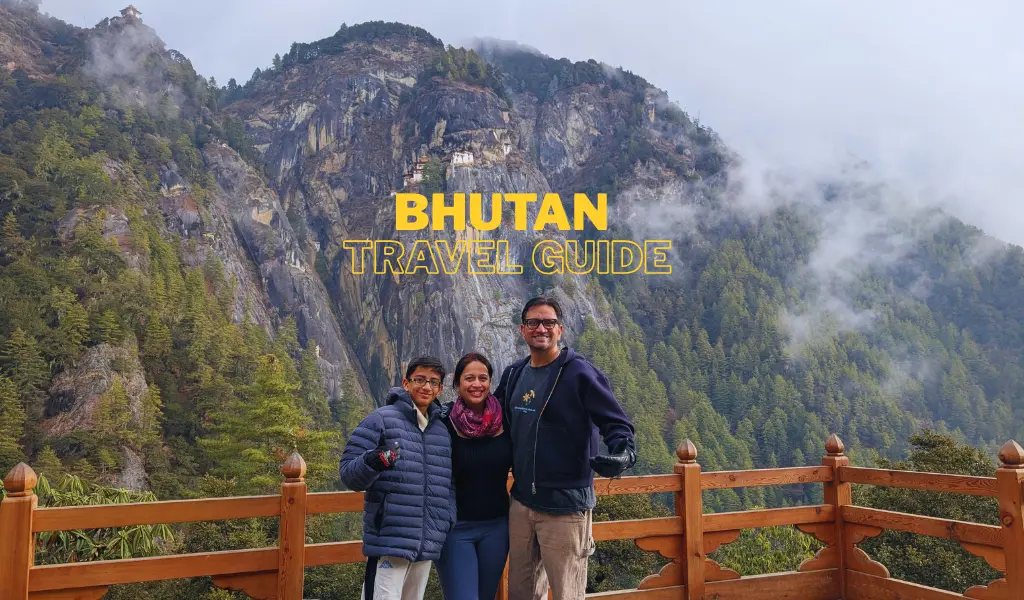

Planning a trip to Bhutan? This practical travel guide covers FAQs, costs, permits, best time to visit, a 7-day itinerary, and personal experiences. Learn why Bhutan is worth visiting and how to combine it with Nepal for a meaningful Himalayan journey.
The first thing you notice when you arrive in Bhutan isn’t the mountains — it’s the silence. No loud announcements, no chaos, just prayer flags fluttering in the wind and crisp Himalayan air. It feels like the world has gently asked you to slow down.
That was our first real introduction to Bhutan — a country that doesn’t try to impress, yet leaves a deep impact.
Whether you’re an Indian traveler planning a short international trip, or a traveller outside of Asia looking to club Bhutan with Nepal, this guide answers the most common FAQs and helps you decide one important question: Is Bhutan really worth visiting?
Why Visit Bhutan?
Bhutan is often called the Land of the Thunder Dragon, but what truly sets it apart is its philosophy of Gross National Happiness (GNH) — a development model that values well-being over wealth.
Here’s why Bhutan feels different:
- No traffic lights in the capital city Thimphu
- Mountains, monasteries, and prayer flags instead of billboards
- Strong focus on sustainability and controlled tourism
- A culture that is proudly preserved, not commercialised
If you’re craving slow, meaningful travel, Bhutan delivers.
Is Bhutan Worth Visiting?
Short answer: Yes — if you value experiences over entertainment.
Bhutan may not be ideal if you’re looking for nightlife or luxury shopping. But it is absolutely worth it if you want:
- Peaceful landscapes and clean air
- Rich Himalayan culture
- Spiritual experiences without gimmicks
- A destination that feels untouched and authentic
Many travelers describe Bhutan as grounding — a place that stays with you long after you return.
Unique Features & USPs of Bhutan
1. Gross National Happiness (GNH)
Bhutan measures progress through happiness, not GDP. Policies focus on mental well-being, environment, culture, and good governance — something you genuinely feel as a visitor.
2. Sustainable Tourism Model
Bhutan limits mass tourism to protect its environment and culture. Tourism is intentional, not chaotic.
3. Carbon-Negative Country
Bhutan absorbs more carbon than it produces — one of the few countries in the world to do so.
4. Living Buddhist Culture
Monasteries aren’t just tourist spots. They are active centers of prayer, festivals, and daily life.
5. No Overcrowding
Even popular sites like Tiger’s Nest feel serene compared to other Himalayan destinations.
Bhutan FAQs – Everything You Need to Know
Is Bhutan Visa-Free for Indians?
Yes. Indian citizens do not need a visa to visit Bhutan.
You can enter using:
- Valid passport or
- Voter ID card
A permit is issued at the Bhutan border or Paro airport. We arrived in Bhutan via land from the Phuentsholing border. Nearest airport is Bagdogra airport.
What Is the Sustainable Development Fee (SDF)?
- Indians: ₹1,200 per person per night
- Foreigners: USD 100 per person per night
This fee supports education, healthcare, and sustainable development in Bhutan.
*PS: I am not sure about this but children below 5 years are exempt; kids between 6–12 get concessions. Do get it verified from your booking agent.
How Expensive Is Bhutan?
Bhutan can be moderately priced, depending on your travel style.
Indicative daily costs (per person):
- Budget traveler: ₹4,000–6,000
- Mid-range: ₹6,000–10,000
- Luxury: ₹15,000+
This excludes SDF.
Accommodation, food, and transport are fairly priced, especially for Indian travelers.
How Many Days Are Enough for Bhutan?
- 5–6 days: Paro, Thimphu, Punakha
- 7–8 days: Ideal for Paro, Thimphu, Punakha and Phobjikha Valley
- 10 days: Slow travel with festivals, hikes, and offbeat valleys
Bhutan is best enjoyed without rushing.
Is a Guide Mandatory in Bhutan?
Yes. Hiring a licensed guide is mandatory for most travelers in Bhutan.
This ensures:
- Responsible tourism
- Cultural sensitivity
- Better understanding of monasteries and local traditions
- *Honest Opinion: A good guide adds immense value to the experience.
7-Day Bhutan Itinerary (Paro – Thimphu – Punakha – Phobjikha)
This itinerary is perfect for first-time visitors who want a balance of culture, nature, and slow travel.
Day 1: Arrive in Paro
Scenic flight into Paro, local sightseeing, Paro town walk, and acclimatisation.
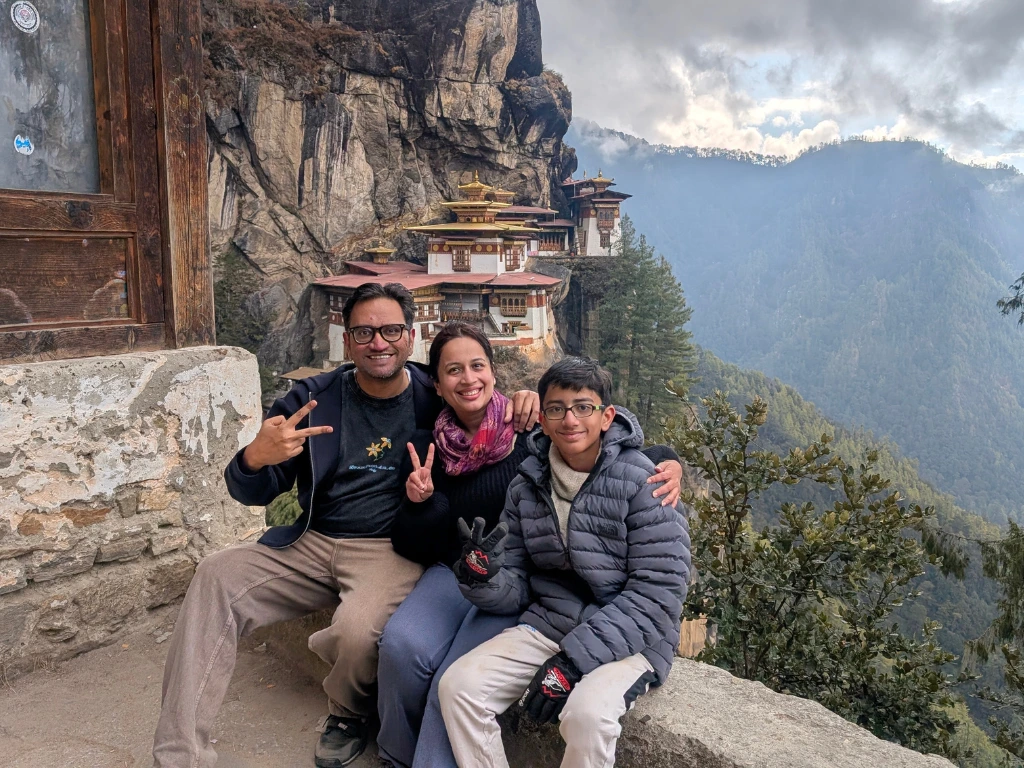
Day 2: Paro – Tiger’s Nest
Hike to the iconic Tiger’s Nest Monastery followed by a traditional hot stone bath.
👉 I’ve written a detailed, separate blog on the Tiger’s Nest Monastery hike — covering difficulty level, tips, and what to expect.
[Click here to read the complete Tiger’s Nest Monastery guide]
Day 3: Paro → Thimphu
Visit Buddha Dordenma, Memorial Chorten, Simply Bhutan, and explore Thimphu markets. You can also do cafe hopping or go for karoke in the evening.
Day 4: Thimphu → Punakha
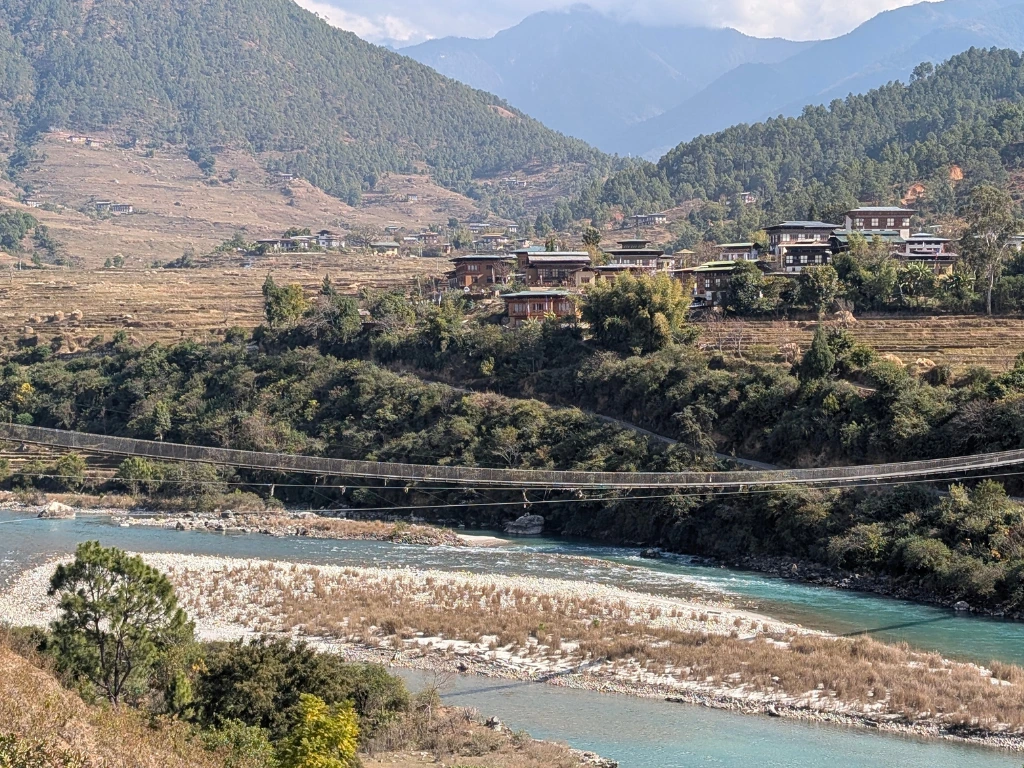
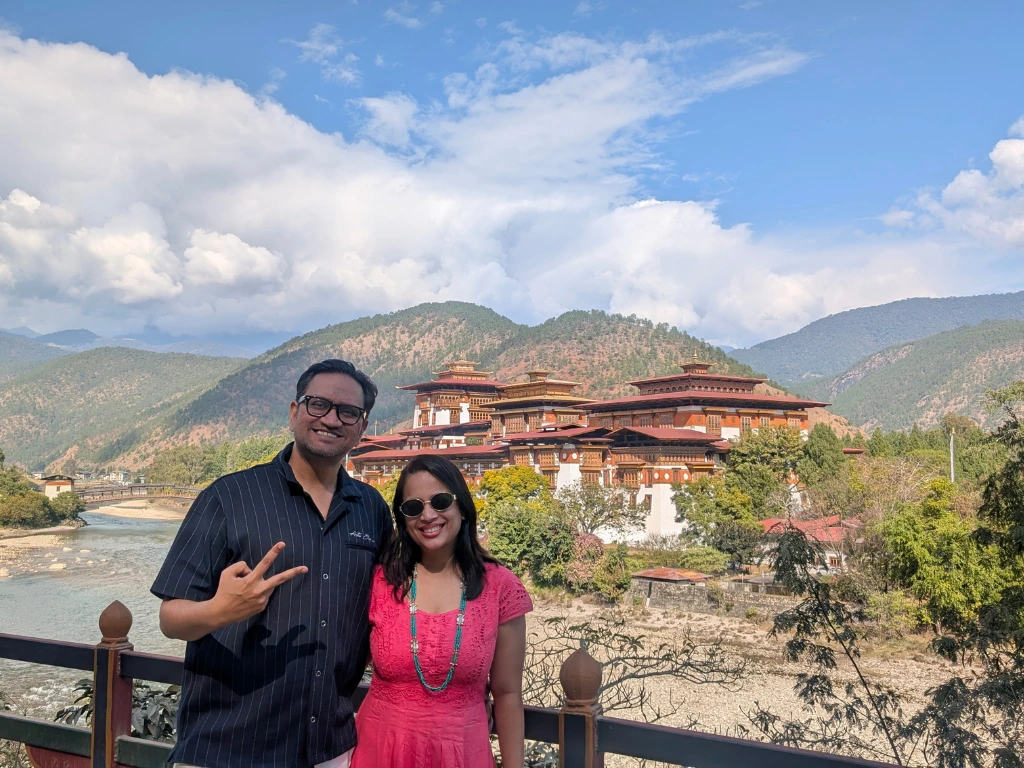
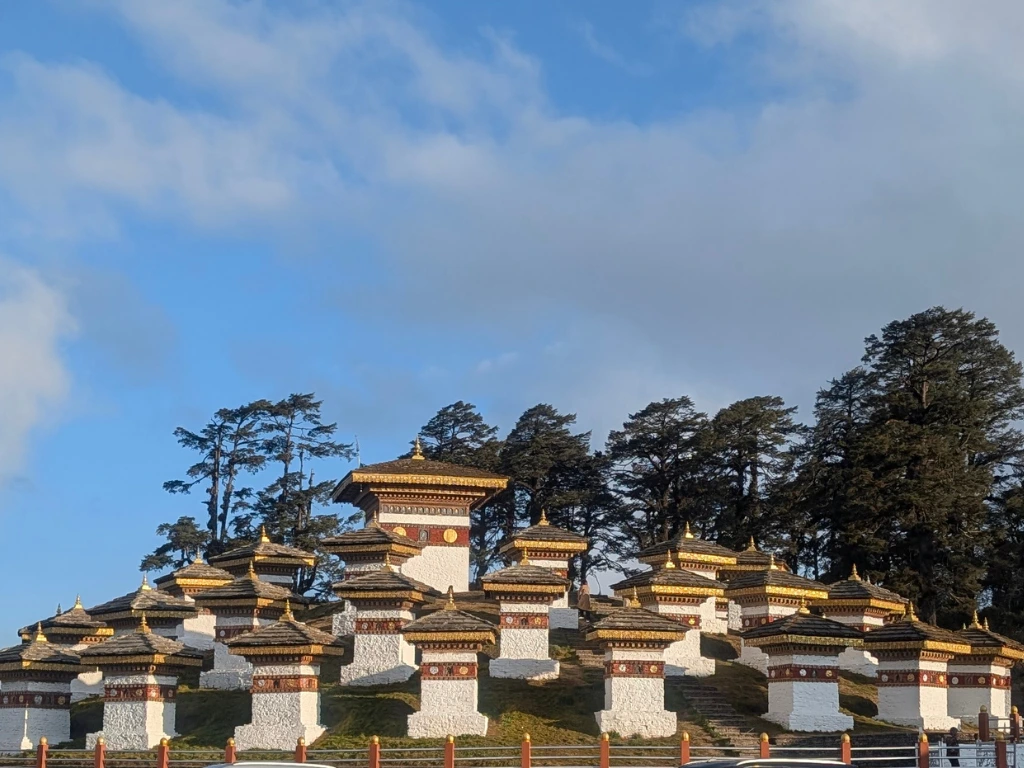
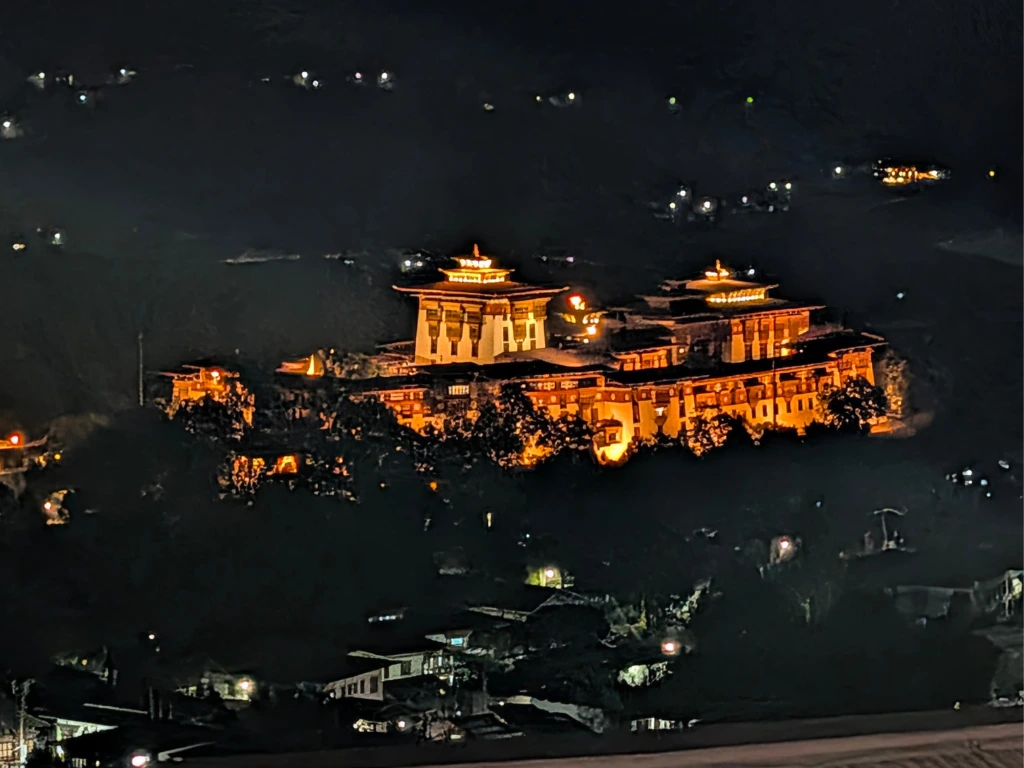
Drive via Dochula Pass, visit Punakha Dzong and the suspension bridge.
Day 5: Punakha → Phobjikha Valley
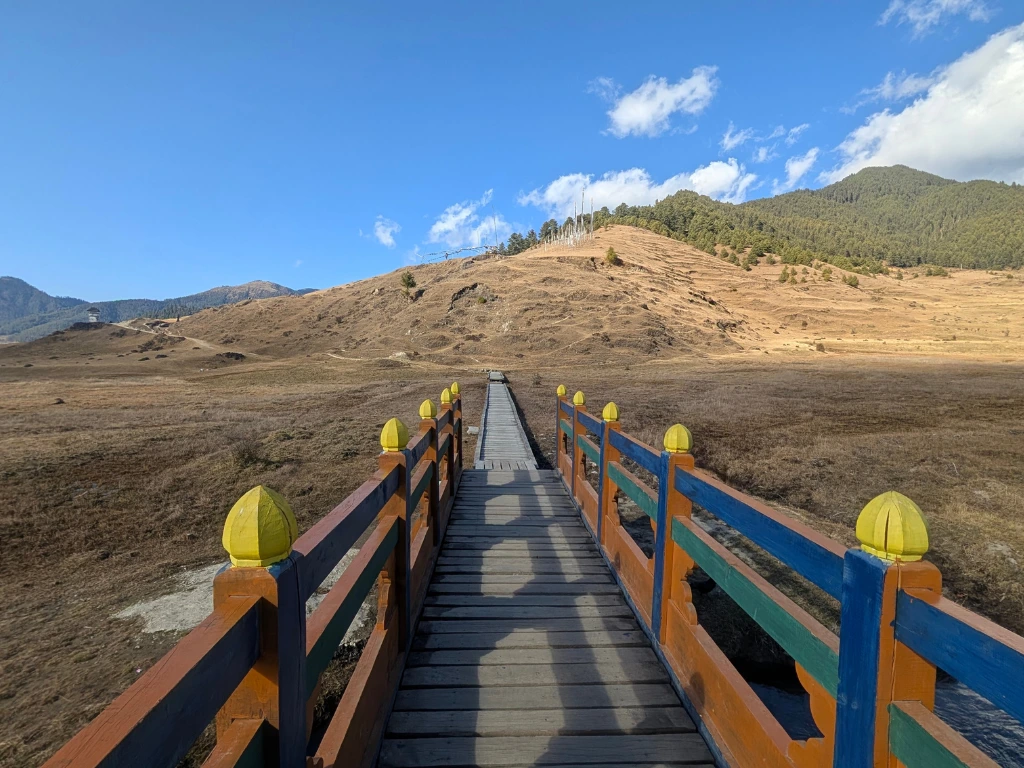
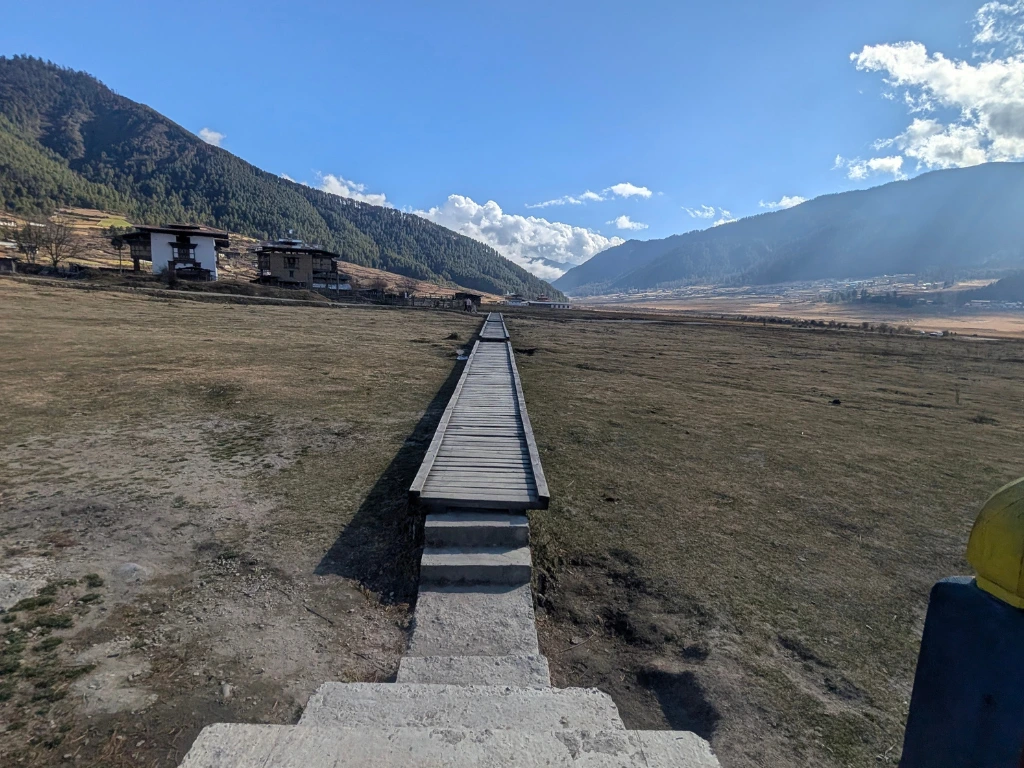
Journey to the serene Phobjikha Valley, known for its open landscapes and tranquility. This was the place where time truly slowed down for us — wide valleys, fewer people, and an overwhelming sense of calm.
Day 6: Phobjikha → Thimphu/Paro
Nature walks, local village interactions, and return drive.
Day 7: Departure
Return to Paro for departure.
This is the most ideal itinerary; however if you want to enter Bhutan via land from Phuentsholing border, you may need an extra day.
Best Time to Visit Bhutan
- March–May: Spring blooms, clear skies
- September–November: Best weather, festivals
- December–February: Cold but scenic, fewer tourists
Monsoon months (June–August) are quieter and greener but come with rain.
Can You Combine Bhutan with Nepal?
Yes — Bhutan and Nepal make a beautiful Himalayan combination.
Popular Bhutan–Nepal Itinerary
- Fly into Kathmandu (Nepal)
- Explore Kathmandu & Pokhara
- Fly Kathmandu → Paro
- Explore Bhutan (5–7 days)
This combo works well for:
- Foreign tourists staying outside Asia.
- Spiritual seekers
- Mountain lovers
Flights between Kathmandu and Paro are limited but scenic.
Our Personal Experience in Bhutan
Bhutan felt welcoming from the very first day. What surprised us most was how quiet the towns felt, even during the day — no honking, no rush, just a gentle pace of life. What stood out most was how warm, calm, and genuinely hospitable the people are. Locals are polite, curious, and always willing to help — whether it’s explaining a monastery ritual or guiding you to a small café.
We travelled to Bhutan from India with We Go Authentic, and the entire trip was seamlessly managed — from permits and hotels to transport and daily planning. This made the journey stress-free and allowed us to truly slow down and absorb Bhutan’s rhythm of life.
What Kind of Traveler Will Love Bhutan?
Bhutan is perfect for:
- Couples looking for peaceful getaways
- Families seeking safe, clean travel
- Solo travelers interested in culture & mindfulness
- Slow travelers and photographers
It may not suit:
- Party-focused travelers
- Shoppers looking for luxury brands
Food, Shopping & Experiences
Food
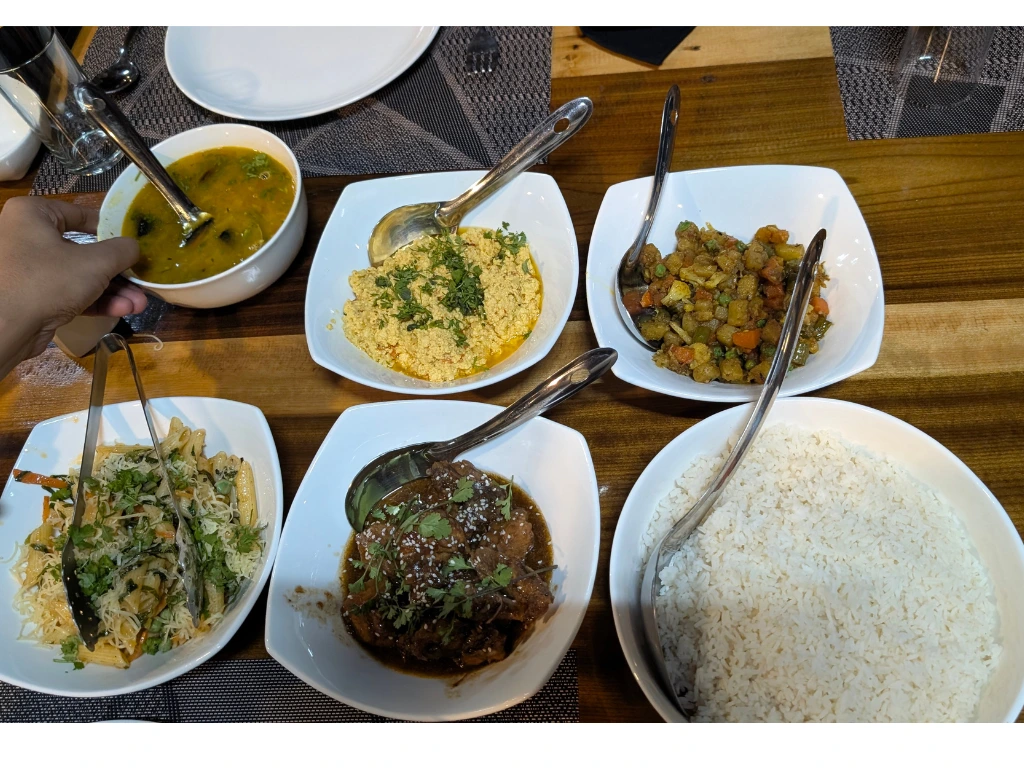
- Red rice, Ema datshi (chilli-cheese), momos are extremely delicious. Ema datshi is their national dish.
- Indian food is widely available as well.
Shopping
- Handwoven textiles, Handmade jewellery, Paro Rice,
- Prayer flags, Incense, Local handmade paper.
*PS: If you are fond of stamps then do visit National Post Office in Thimphu, you will be surprised to see the collection of stramps. Also, you will get your own personalised stamp there.
Culture, Language & Daily Life
- National language: Dzongkha
- English is widely spoken, especially in cities
- Many locals also understand Hindi
Bhutanese culture is deeply rooted in respect, simplicity, and mindfulness. Traditional attire is worn daily, not just for festivals.
Warmth & Hospitality of Bhutanese People
One of Bhutan’s biggest highlights is its people. From hotel staff to monks and shop owners, the hospitality feels natural and heartfelt — never forced.
You’ll often be greeted with smiles, curiosity, and quiet kindness.
Final Verdict:
If you’re looking for a destination that helps you slow down, disconnect, and reflect, Bhutan is absolutely worth it.
It’s not about doing more — it’s about feeling more.
Bhutan may not give you the loudest memories, but it will give you the deepest ones.
Leave a reply